Tucked away in the southern reaches of Namibia’s Zambezi Region, Nkasa Rupara National Park is a hidden gem often described as “Namibia’s Mini-Okavango.”
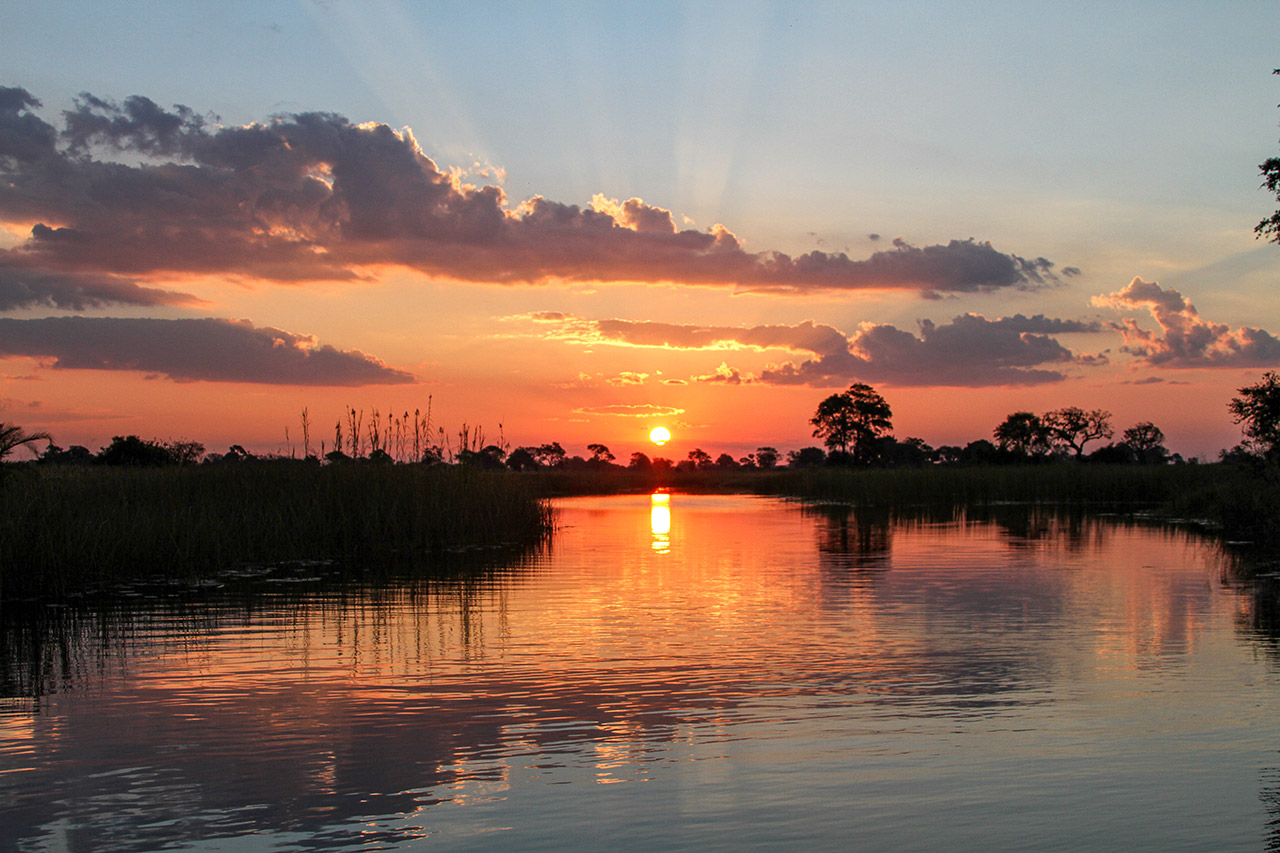
Spanning 320 km², this unique landscape is defined by a network of lush marshes, dense riverine woodlands, and shimmering channels formed by the Kwando and Linyanti rivers. Unlike the arid deserts Namibia is famous for, Nkasa Rupara is a water-world that sustains a rich and diverse ecosystem.
A Sanctuary for Wildlife
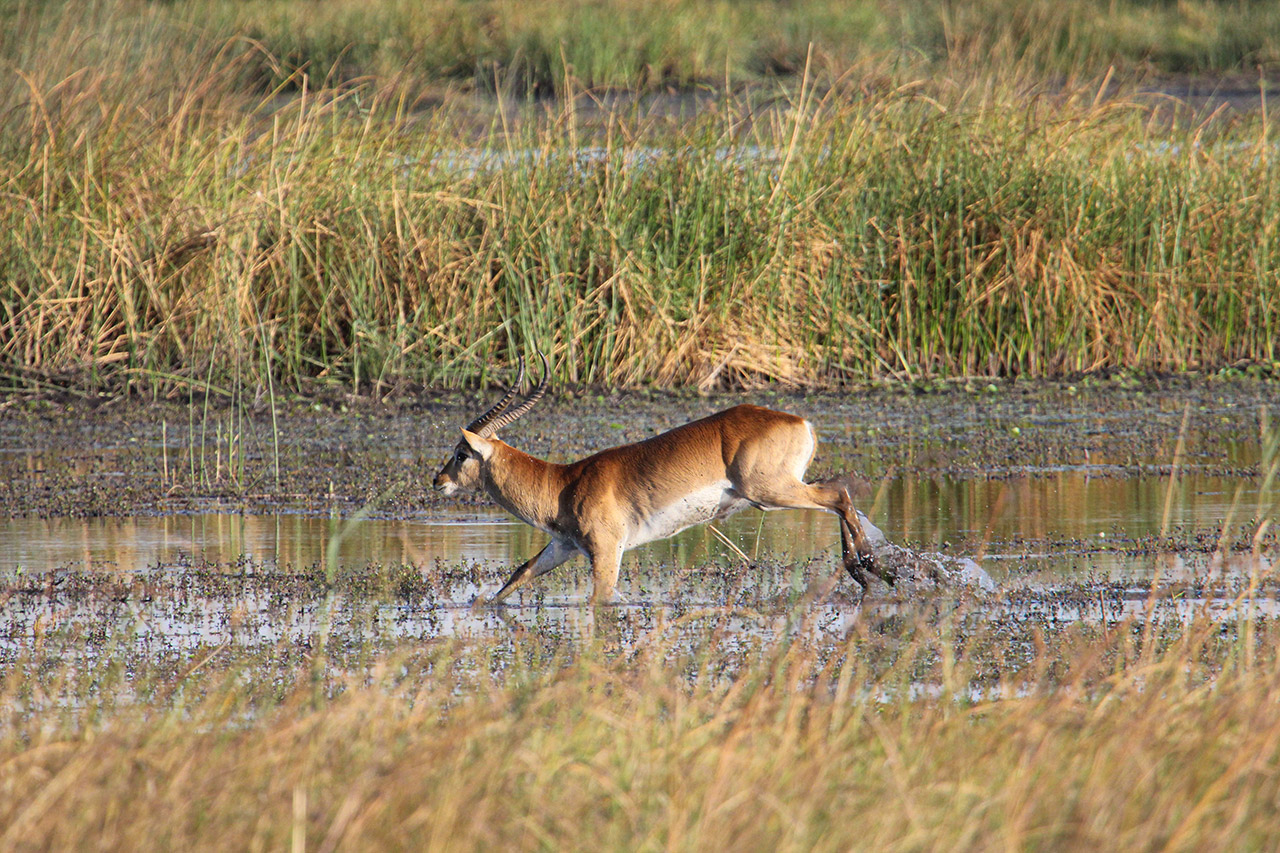
The park is a critical corridor for wildlife migration between Botswana and Angola. It hosts the largest concentration of Cape Buffalo in Namibia, with herds often numbering in the thousands. It is also one of the few places in the country where you can spot the rare Sitatunga and Red Lechwe leaping through the shallow waters.
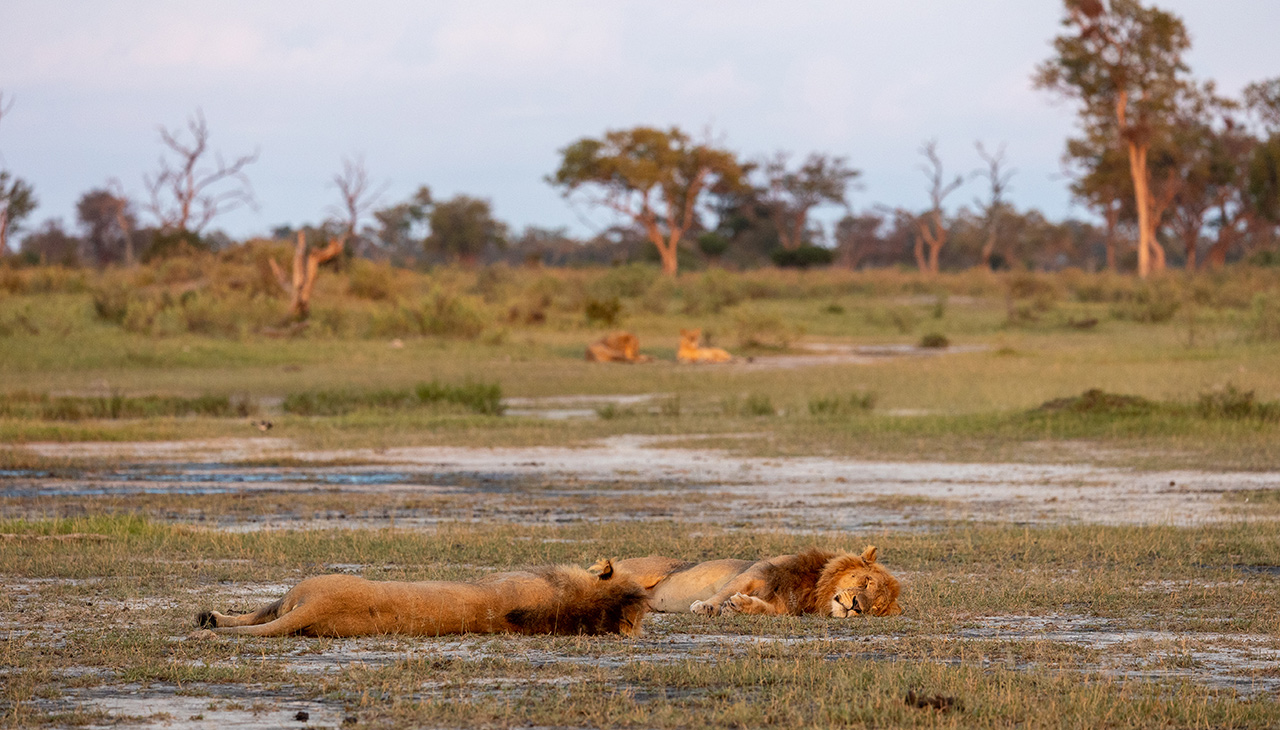
Predators thrive here, too. The park is famous for its lions, which have adapted to the wetland terrain, as well as leopards, hyenas, and wild dogs. The waterways are patrolled by massive pods of hippos and large crocodiles, making every game drive or boat cruise a thrilling encounter.
History & Transformation
Originally proclaimed in 1990 as Mamili National Park, the reserve was renamed Nkasa Rupara in 2012 to honor the two distinct river islands that dominate its topography: Nkasa and Rupara.
Historically, the area faced challenges with poaching, but it has since become a shining example of successful conservation. Today, the park is a vital component of the Kavango–Zambezi Transfrontier Conservation Area (KAZA TFCA), the largest terrestrial conservation area in the world. Its strategic location serves as a crucial bridge allowing wildlife to roam freely across the borders of Namibia, Botswana, and Angola.
Cultural Heritage: The Mayeyi People
The wilderness of Nkasa Rupara is inextricably linked to the people who have lived here for centuries. The park borders the Wuparo Conservancy, home to the Mayeyi people.
The Mayeyi are agro-pastoralists who have historically co-existed with the wildlife of the riverine floodplains. In recent decades, the establishment of the Wuparo Conservancy has created a symbiotic relationship between the community and the park. Tourism levies and employment empower the local community, turning them into the primary guardians of this wilderness. Visiting Nkasa Rupara is not just a safari; it is a direct contribution to community-based conservation that supports the livelihoods of the Mayeyi people.
Seasons of the Swamp: When to Go
The park’s character changes dramatically with the rhythm of the rains and the floods.
The Dry Season (May – October):
Climate: Warm days and cool nights.
Experience: As the surrounding bush dries out, wildlife converges on the park’s permanent channels. This is the peak season for game viewing, with massive herds of elephants and buffalo gathering near the water. The floodwaters from Angola usually arrive and peak around June/July, keeping the channels full even as the sky remains blue.
The Green Season (November – April):
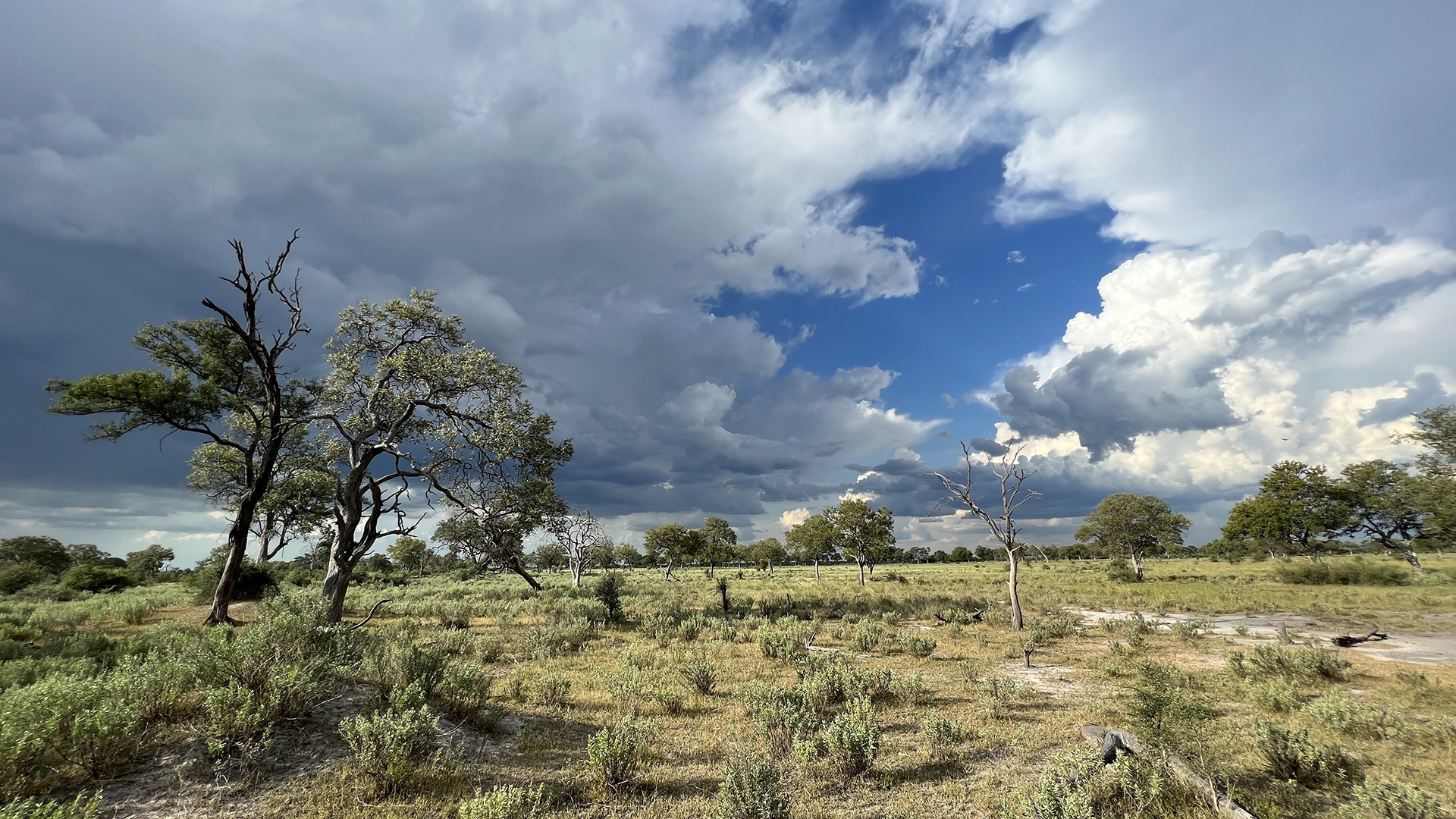
Climate: Hot and humid with spectacular afternoon thunderstorms.
Experience: The landscape transforms into a vibrant, emerald-green paradise. This is the best time for birding, as migrants arrive and residents display their breeding plumage. While game can be harder to spot in the thick vegetation, the scenery is photogenic and dramatic.
Note: Road conditions can be challenging during this time due to mud and high water levels; 4×4 vehicles are essential year-round.